
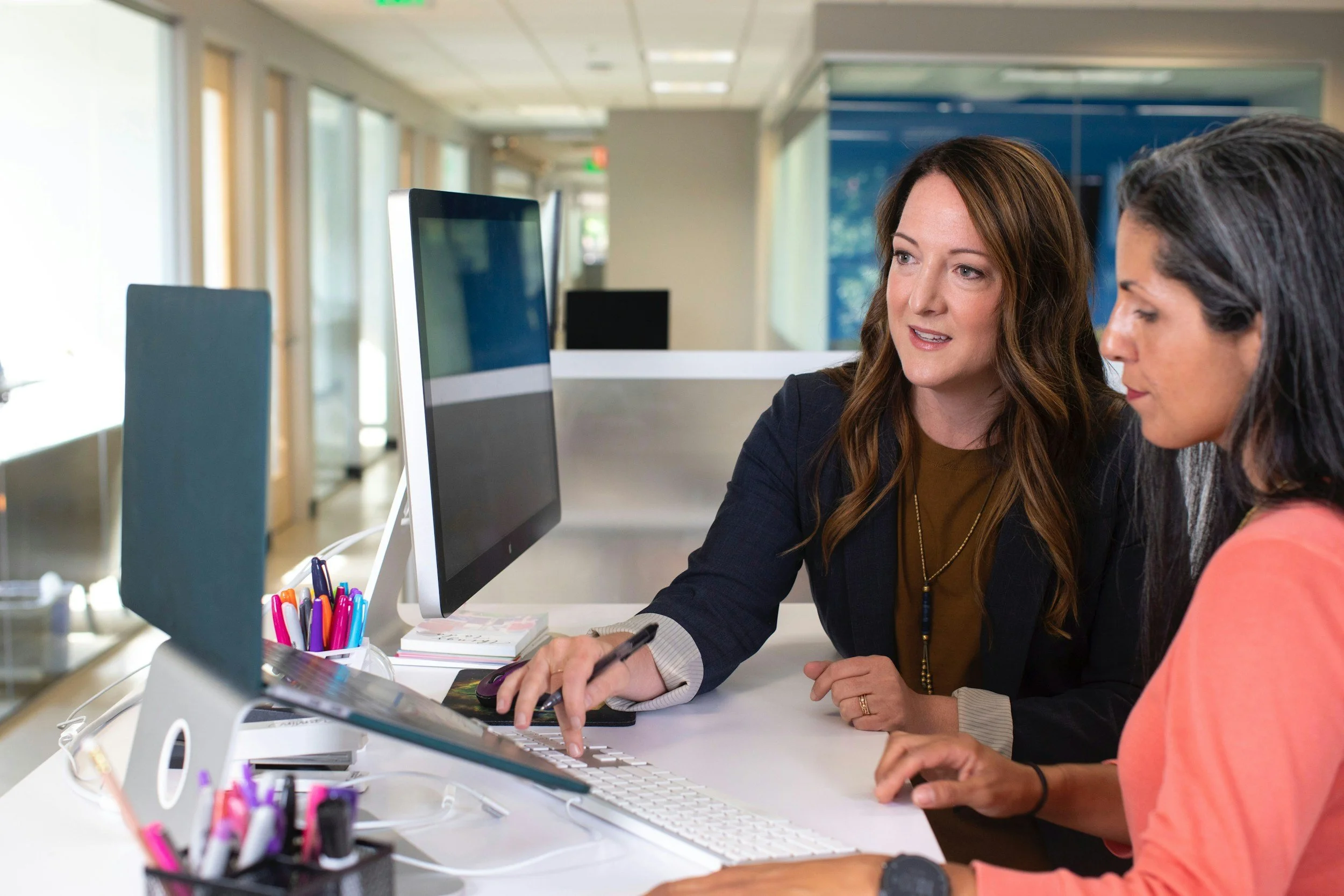
Today’s workplace spans up to five generations, each bringing its own values, expectations, and communication styles. Those differences can be a competitive advantage, but only if nurtured with intention.
Over the years, we’ve seen firsthand how even the most well-meaning teams can experience disconnection when generational dynamics go unaddressed.
The good news? With the right practices, teams can move from friction to flow.
Here are several approaches our partners have put into action, backed by leader accountability, inclusive policies, team facilitation, coaching, and training, that build trust, bridge gaps, and bring out the best in every generation.
1. Conducting Generational Awareness Sessions to Build Empathy
We’ve seen teams unlock mutual respect when given the opportunity to pause and learn about generational identities, including the life events and workplace shifts that shaped each group’s values and communication preferences. Through interactive learning and collaborative discussions, team members begin to understand that what may seem like resistance or disengagement is often a matter of different starting points.
Why it works: It moves teams from judgment to curiosity and creates space for more empathetic communication.
2. Mapping Team Strengths with Multi-Generational Lens
In our GlobeSmart and team effectiveness sessions, we help teams map their cognitive and behavioral work styles alongside generational insights. This approach surfaces hidden strengths and helps teams ensure different generations aren’t unintentionally being siloed or under-leveraged.
Why it works: It makes the invisible visible. When people see their work styles and that of their peers, it builds clarity, understanding and connection.
3. Equipping Managers with Inclusive Coaching Skills
We’ve trained people leaders across industries to leverage coaching as a tool that boost inclusion by focusing on the individual. Our coaching solutions focus on helping managers ask better questions, offer actionable feedback, and recognize when to flex their own style for team growth.
Why it works: Inclusive coaching builds trust and psychological safety, which are essential ingredients for intergenerational collaboration.
4. Clarifying Career Pathways for Different Stages of Life
Career growth means different things at different stages. We've helped organizations design development frameworks and “growth conversation” guides that speak to early-career exploration, mid-career advancement, and executive legacy-building. Through integrated career pathing, all generations get the benefit of charting a path that aligns with their skills and capabilities.
Why it works: When career conversations reflect real life stages, not the traditional “career ladder”, talent feels seen, valued, and invested in.
5. Facilitating Values-Based Conversations
Focus on what intergenerational teams have in common. Embedding facilitated sessions that surface shared values help to support common language and outcomes-alignment. This human-centered approach helps intergenerational teams align on how they want to show up and lead together.
Why it works: Values transcend generational labels and remind teams of their common purpose.
Looking Ahead
Generational diversity in the workplace is not a challenge to solve; it’s an opportunity to embrace. As the workforce continues to evolve, we believe the most successful organizations will be those that proactively invest in connection, curiosity, and inclusive practices across every level.